Begin with the buying process
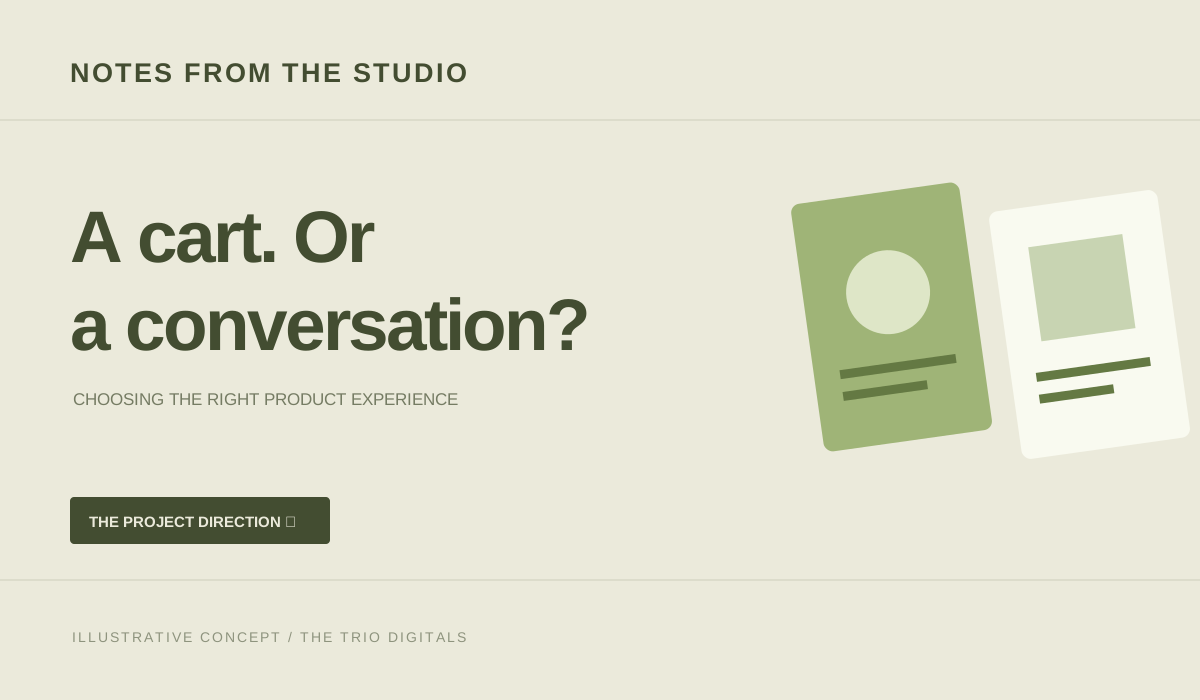
The right website follows the way your customers buy. If products have standard prices and clear fulfilment rules, an online store may be a natural fit. If pricing depends on specifications, quantity or a conversation, a catalogue may be more useful.
When an online store makes sense
- Products have clear, stable prices
- Customers can choose options without assistance
- Payment and shipping rules can be defined
- Orders can be fulfilled through a repeatable process
A store needs more than product images. Stock handling, checkout, payment methods and shipping information all affect the customer experience.
When a product catalogue makes sense
Manufacturers, exporters and industrial suppliers often need to discuss requirements before providing a final price. A catalogue can show categories, specifications and applications without forcing an immediate checkout.
- Buyers need technical information
- Products can be customized
- Minimum quantities or delivery terms vary
- Sales start with a quote request
What both experiences need
Use accurate product titles, useful descriptions, clear images and organized categories. Give visitors a visible next step on every product page.
Keep the next step useful
A quote form should capture enough context to start a conversation without overwhelming the buyer. A checkout should explain the total cost and available delivery options.
Choose around your customers
You can start with an enquiry-led catalogue and expand later if your sales process changes. The best first version supports the business you are actually running today.